When you step into a room, the colors and lighting immediately set the tone. For those seeking a calm retreat at home, carefully selected paint colors combined with thoughtful lighting and furniture placement can transform any space into a sanctuary. In this article, we'll take a detailed walk-through of how soft neutral colors and a consistent color palette, layered lighting with ceiling lights and table lamps, and small relaxation zones contribute to a serene environment. Plus, we'll touch on how lifestyle elements like Joy Organics' CBD gummies collection can complement your calm atmosphere by promoting well-being.
Understanding the Room: Lighting, Layout, and Paint Choices for Calm
Before diving into paint colors, let's quickly assess the typical components present in your room. neutral paint colors Are there plenty of windows that bring in natural daylight? How is the furniture arranged—does it encourage easy movement and clear pathways? What lighting fixtures do you have—overhead ceiling lights, table lamps, or both? These factors will influence which colors and textures you choose, ensuring your calm design feels balanced and inviting at all times of day.
Layered Lighting: The Secret Behind a Relaxed Atmosphere
Lighting is crucial for mood. A room flooded with harsh light can feel cold, while weak or inconsistent lighting can induce strain or discomfort. For a calming room, layering your lighting is essential, combining ambient, task, and accent lights:
- Ceiling Lights: Use soft, diffused bulbs in ceiling fixtures to provide overall ambient light. Dimmable options allow you to adjust brightness according to the time of day. Table Lamps: Place table lamps around seating areas or bedside tables. They create cozy pools of light perfect for reading or relaxation. Natural Light: Maximize daylight, but temper it with sheer curtains or blinds to reduce glare and maintain a soothing glow.
Try testing your lighting https://lilyluxemaids.com/i-keep-rearranging-furniture-and-it-still-feels-off-what-am-i-missing/ setup at night before finalizing your paint color selection. Lighting dramatically affects how paint tones appear once the sun sets.
Soft Neutral Colors: The Foundation for Calm Spaces
When thinking about paint colors that evoke calm, soft neutral colors top the list. These hues create a peaceful and grounded environment that invites rest and mental clarity.
What Are Soft Neutral Colors?
Soft neutrals include shades like:
- Warm beiges and taupes Muted greys with warm or cool undertones Gentle creams and off-whites Dusty pastels such as pale blush or sage
Why a Consistent Color Palette Matters
Beyond choosing the “right” color, consistency is key. Sticking to a consistent color palette across walls, trim, upholstery, and decor fosters harmony. It avoids visual clutter that can inadvertently increase stress. When colors flow naturally from one element to another, the room feels unified and restful.
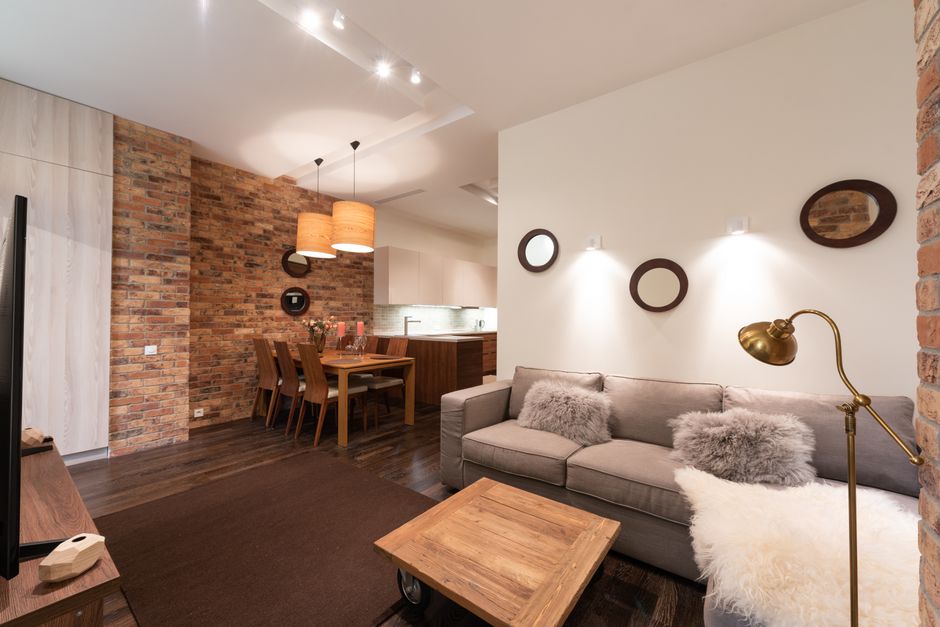
Consider using a base soft neutral on the walls, then layering in complementary colors for accent pieces and soft furnishings. For example, a warm beige wall can harmonize beautifully with sage green throw pillows and natural wood furniture finishes.
Improving Traffic Flow with Thoughtful Furniture Placement
Color and lighting set the stage, but the way furniture is arranged if often where the calm either blossoms or breaks down. Cluttered, cramped areas or obstructed walkways create physical and mental tension.
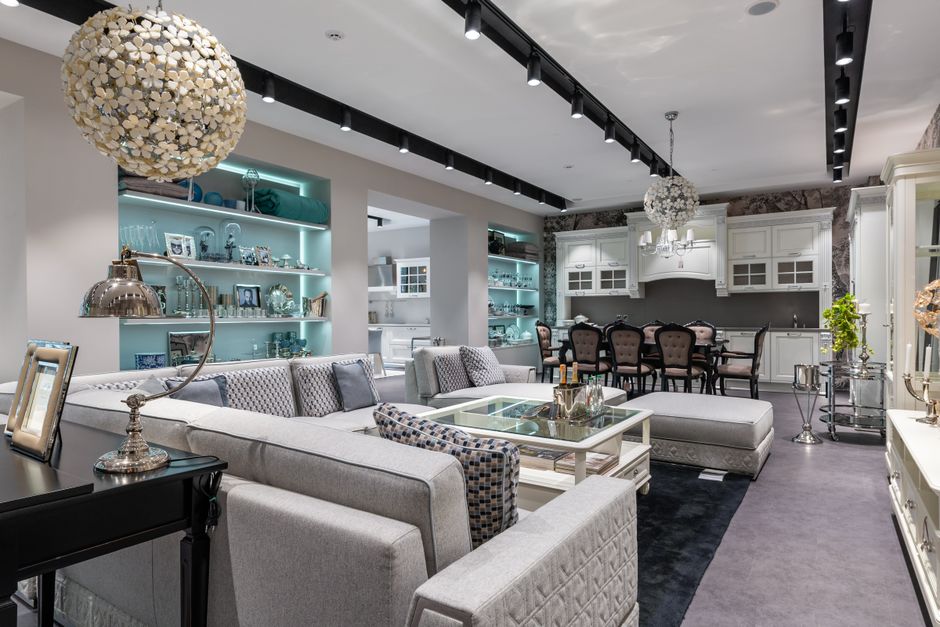
Tips for Better Traffic Flow
Identify "Where Stuff Piles Up": Most homes have spots where clutter gathers—near the entryway, corners by the couch, or atop desks. Keep these areas tidy and designate specific storage spots. Clear Pathways: Ensure there is a clear, wide path through the room. The goal is no awkward furniture placement forcing detours. Flexible Seating: Chairs and sofas arranged to face each other foster conversation zones but can also be angled to open up space. Balance Symmetry & Asymmetry: A symmetrical layout feels orderly and calm, while slight asymmetry can add casual relaxation without chaos. Use Rugs to Define Zones: Rugs help visually anchor seating or relaxation zones, contributing to the sense of intentional space.Creating Small Relaxation Zones in Your Home
Even in small rooms, carving out dedicated spaces for calm moments can be transformative. These mini zones signal to the brain that this spot is meant for winding down.
Ideas for Small Relaxation Zones
- Cozy Reading Nook: A comfortable armchair with a soft throw, a side table holding a lamp, and perhaps a small plant creates a perfect refuge. Meditation Corner: Cushions on the floor, minimal decor, and soft pastel wall colors cultivate mindfulness. Sleepy Corner: In bedrooms, set a small bench or chair near the window or at the foot of the bed with a calm shade like dusty lavender or pale greige.
Layer your lighting here carefully: A table lamp with a warm bulb reduces eye strain and beckons relaxation. If possible, position the zone to capture soft natural light during the day.
Complement Your Calm Space with Lifestyle Choices
Creating a relaxed atmosphere extends beyond physical design. Including wellness products like Joy Organics’ CBD gummies collection can enhance your calm sanctuary. Their THC-free and full-spectrum options help support restful moods without psychoactive effects, nicely complementing serene paint colors and lighting.
Using calming scents or herbal teas along with relaxing colors makes your room an all-around sensory retreat.
Bringing It All Together: Sample Room Plan for Calm
Element Recommendation Why It Matters Paint Color Soft beige with warm undertones Warm tones foster coziness and a relaxed atmosphere Lighting Dimmable ceiling light + two table lamps in seating area Provides layered lighting to adjust mood day or night Furniture Placement Sofa and chair angled to open pathways, small round table Improves traffic flow and defines social/relaxation zones Textiles Throw pillows in dusty pastel sage, soft beige rug Adds texture and maintains color palette consistency Relaxation Zone Armchair with small side table and lamp near window Dedicated spot for reading or mindfulnessFinal Thoughts: A Calm Room Is a Layered Creation
When you want to make a room feel calm, the magic lies in combining soft neutral paint colors, consistent color palettes, layered lighting with ceiling lights and table lamps, furniture arrangements that enhance flow, and small zones dedicated to relaxation. Take time to test lighting at night, observe any clutter spots, and think about how your color choices will interact with your natural light sources.
Incorporate lifestyle tools like Joy Organics’ CBD gummies collection for a multi-sensory approach to calm that reaches beyond paint and lamps. With these strategies, you can transform any room—no matter the size—into a peaceful retreat that restores your mind and body daily.