Comfort in your home is no longer a one-size-fits-all deal. Enter the world of dual-zone systems and multi-zone comfort, where independent thermostats let you tailor the temperature and schedule for different rooms or zones in your house. Whether you’re upgrading from a single-zone mini split or planning a new install, understanding how thermostats and schedules work in a two-zone system can save you money, time, and frustration.
What is a Dual-Zone System?
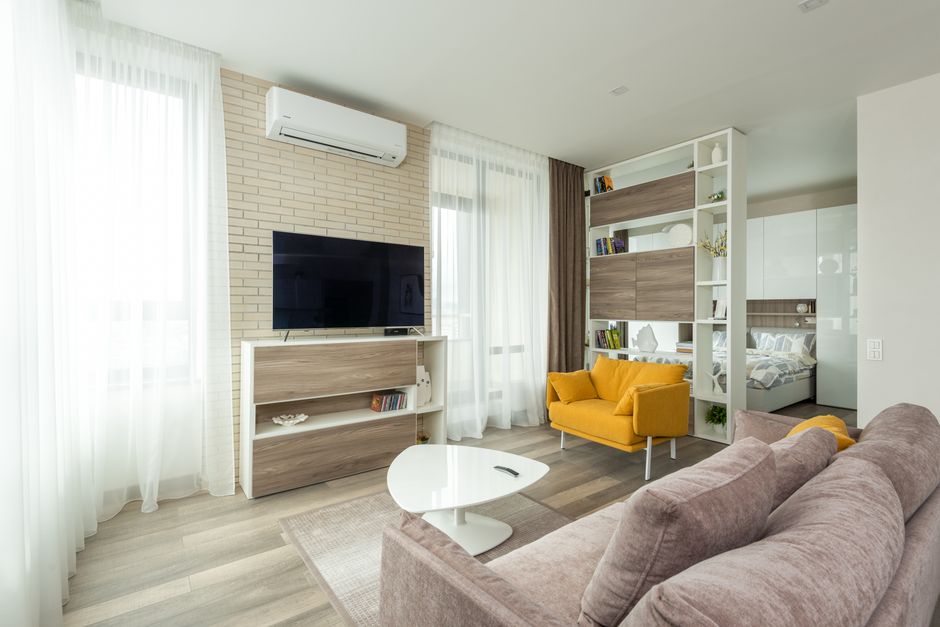
In basic terms, a dual-zone system has two indoor units connected to a single outdoor condenser. Think of it as having two separate air conditioners working off the same compressor but independently controlled for different rooms or areas. This is ideal for homeowners who want precise temperature control for, say, the living room and the bedroom — or any pair of spaces that have different cooling and heating needs.
Multi-zone systems extend this idea to three or more indoor units, but here we’ll focus on two zones because https://fionafreshmaids.com/what-dual-zone-mini-split-covers-about-1200-sq-ft/ that’s the sweet spot for many DIYers and small homes.
Why Independent Thermostats Matter
A defining feature of dual-zone systems is that each indoor unit has its own thermostat or control pad. That means:
- Two rooms, different schedules: You can program the living room to cool down before you wake up, and set the bedroom unit to start cooling at a different time. Independent temperature settings: One room can be kept cooler or warmer without changing the other. Energy savings: Heat or cool only the spaces you’re using, avoiding wasted power in empty rooms.
Brands like Zone Air specialize in these pre-charged, quick-connect DIY mini splits, making it simpler to install your own dual-zone setup. For example, their 9,000 BTU 23 SEER2 115V wall mount unit is currently on sale for $1,899.99 (down from $2,499.99, that's 24% off)—a popular size for around 350-400 square feet in cooling capacity.
Sizing Your Dual-Zone System: BTU and Square Footage
Sizing is everything in HVAC. Oversizing leads to short cycling and inefficiency, while undersizing leaves you sweating during heatwaves. Here's a quick rule of thumb:

- 1 ton (12,000 BTU) roughly covers 500 square feet of well-insulated space. A 9,000 BTU unit (like the Zone Air example) is about right for 350-400 square feet.
Because every room’s insulation, sun exposure, and usage differ, tools like the Zone Air free sizing calculator come in handy. You input specifics about your spaces, and it recommends the correct BTU capacity per indoor unit.
Need help figuring out how rebates apply? Don’t forget the Zone Air rebate calculator which lets you see potential savings available for installing energy-efficient mini splits.
115V Plug-In Convenience vs. 230V Performance
One big perk of many contemporary DIY mini splits is the 115V plug-in power option. This means:
- Easier installation without rewiring your home’s electrical panel. Plug directly into a standard 15 or 20 amp electrical outlet.
While 115V units generally max out around 12,000 to 18,000 BTU per indoor unit, 230V power supplies can support larger capacities and sometimes better performance, especially in extreme climates. For most dual-zone setups serving average-sized rooms, 115V is the sweet spot for DIYers without heavy electrical know-how.
Note on Electrical Work
Just a heads-up: If your mini split exceeds the capacity of standard outlets, or if your home’s wiring can’t handle the load, you’ll need a licensed electrician. Don’t gamble on subpar or overloaded connections—it’s not just about safety but long-term reliability.
Pre-Charged Quick-Connect Linesets: The DIY Game-Changer
Older mini split installations could require vacuum pumps, refrigerant charging, brazing, and specialized HVAC tools. Today’s pre-charged quick-connect linesets make it much easier. These lines come ready with refrigerant, and connections "click" together securely without bending the copper lines.
- Pro tip: Do not kink the lineset. Replacing a kinked lineset is a must. Trying to straighten a kinking copper tube will restrict coolant flow, damaging your compressor over time. Keep lines straight with gentle bends, as recommended in installation guides.
Save the headache of leaks, warranty headaches, and reduced efficiency—replace damaged linesets rather than risking them. This is an area where patience and care pay off big.
Thermostat Integration with Smart Home Assistants
Modern dual-zone mini splits like those from Zone Air often come with Wi-Fi-enabled thermostats that integrate with voice-controlled systems. Image controlling your comfort hands-free:
- “Alexa, set the living room cooler to 72 degrees.” “Hey Google, turn off the bedroom AC.”
Both Amazon Alexa and Google Assistant support many models, providing seamless command over individual zones or all zones at once.
Planning Your Single-Zone vs. Dual-Zone or Multi-Zone System
Before committing to one or two zones, ask yourself:
Click here to find out more- How many rooms or areas need independent control? What’s the size and insulation level of each space? Will you benefit from scheduling different zones on different timetables? Do you prefer 115V convenience or 230V higher performance?
Often, a single-zone system is enough for an open-concept room or single room apartment. Dual-zone shines when you have two distinct spaces, like a sunroom and living room. Multi-zone is the way to go for whole-house comfort but comes with added complexity and cost.
Price Example: Zone Air DIY 9,000 BTU 23 SEER2 Wall Mount
Model BTU SEER2 Rating Voltage Price (Was) Price (Now) Discount Zone Air Wall Mount 9,000 23 SEER2 115V Plug-In $2,499.99 $1,899.99 24% OffThis is a prime example of getting high efficiency and DIY-friendly features at a great price.
If This Is You, Call a Pro
Thinking about a multi-zone system with more than two zones? Running long linesets through tricky spaces? Uncomfortable with electrical work or refrigerant lines? Some scenarios really deserve a licensed HVAC professional. They will ensure correct line routing, electrical safety, permitting, and system optimization.
While DIY pre-charged mini splits from companies like Zone Air cater to handy homeowners, be honest about your skill level and the scope of your project.
Wrapping Up
Dual-zone systems transform your HVAC from a single blanket into a customized comfort quilt. Thanks to independent thermostats and scheduling, you control two rooms on separate timetables, saving energy and boosting comfort. The rise of pre-charged quick-connect mini splits and 115V plug-in options make these systems more approachable than ever.
Just remember to size correctly with tools like the Zone Air sizing calculator, avoid kinked linesets, and consider smart home integration for hands-free control using Amazon Alexa or Google Assistant.
With a little planning and care, dual-zone HVAC can be a DIY win that keeps everyone happy and comfortable all year long.
```